

ASD assessments
An Autism assessment provides a thorough understanding of social communication, behaviour patterns, and sensory processing. Get clarity on attention and executive function with our detailed neuropsychological evaluations.

What is Autism Spectrum Disorder?
Autism spectrum disorder is a neurological difference affecting how the brain processes information, manages social interaction, and handles sensory input. It’s not something to fix but something to understand. An assessment reveals your strengths, challenges, and how your mind works best.
Signs you may have ASD
#1
Social Masking
Consciously copying social behaviours to fit in, often leading to exhaustion or burnout.
#2
Social Fatigue
Feeling drained after social interaction, even when it appears to go well.
#3
Sensory Sensitivity
Heightened sensitivity to sound, light, textures, or environments.
#4
Intense Internal World
Rich inner thoughts, imagination, or deep emotional processing that may not be outwardly visible.
#5
Relationship Over-Analysis
Spending significant mental energy interpreting social cues and interactions.
#6
Late Identification
Traits often recognised in adulthood after years of misdiagnosis or self-doubt.
#1
Social Communication Differences
Difficulty interpreting tone, facial expressions, or unspoken social rules.
#2
Focused Interests
Strong, sustained interest in specific topics, often with deep knowledge.
#3
Preference for Routine
Discomfort with change and strong reliance on predictability.
#4
Sensory Sensitivity
Over- or under-reactivity to sensory input such as noise, touch, or light.
#5
Literal Thinking
Interpreting language very concretely and struggling with ambiguity.
#6
Early-Noticed Traits
Differences often observed in childhood due to more visible behaviours.
Assessment information
Process
How It Works
Step 1 : Discovery
We start with a discovery session to understand your concerns, background, and goals.
Step 2 : Assessment
Our clinicians use validated psychological tools and observation. Assessments are relaxed, respectful, and paced to individual comfort
Step 3 : Feedback & Report
You’ll receive a detailed explanation of your results, an actionable report, and time with your clinician to talk through what it all means.
Step 4 : Aftercare
We can connect you with therapy, coaching, and support services within Invictus Health or trusted partners in your community.

Time expectations
Timelines
An ASD assessment typically takes 3-4 hours, followed by 8-10 hours of scoring, interpreting results and report writing.
Once this has been finalised by our clinician, you’ll receive a comprehensive, individualised report.
We also offer an optional feedback session to all our clients to discuss their report’s findings and recommendations further.
Medication support
Medication Information
We do not prescribe medication for ASD.
If you or your child currently takes medication for a related condition, please let our team know when booking.
In some cases, your clinician may recommend attending the assessment unmedicated to get the most accurate picture of baseline functioning.
We’ll discuss this with you beforehand so you know exactly what to expect.
After assessment
Post-assessment support
We understand that many people come to us after years of self-doubt or feeling misunderstood. We can assist with:
- Psychological therapy and coaching
- Family and educator consultations
- NDIS support coordination and documentation
- Workplace recommendations and neuroinclusive planning
Invictus Health brings together evidence-based care and human connection, so you have support at each step.
Cost & rebates
Costs & rebate options
See our fees and rebates page for current autism assessment fees and rebate options.
Referral Information
Do I need a referral?
You do not need a GP referral to access an ASD assessment at Invictus Health.
You can self-refer by completing our intake form and our admin team will match you with the right clinician.
Referrals from GPs, paediatricians, or specialists are also welcome and can help provide useful background information.
Online / in-person
Assessment Locations
Due to the nature of ASD assessments, all assessments must be conducted in person.
We have clinic locations across Australia including Victoria, New South Wales & ACT, Queensland, South Australia, Western Australia and the Northern Territory. Find your nearest location and book an appointment with our team today.
Next available assessments
Next available assessments
We generally have availability within 1–2 weeks.
Contact our team to find the next available appointment at your nearest clinic, or complete our intake form and we’ll be in touch to confirm a time that suits you.
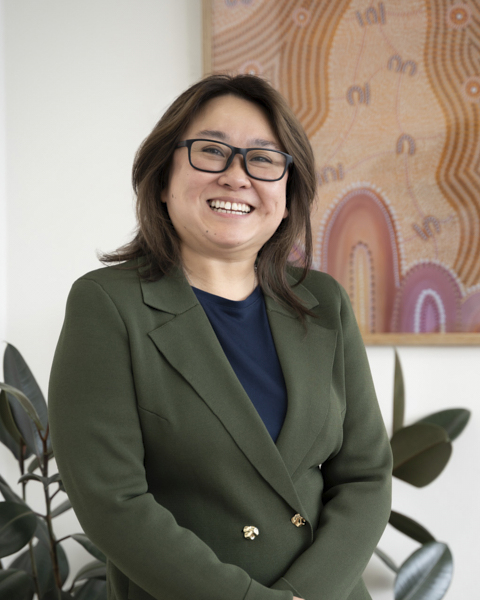
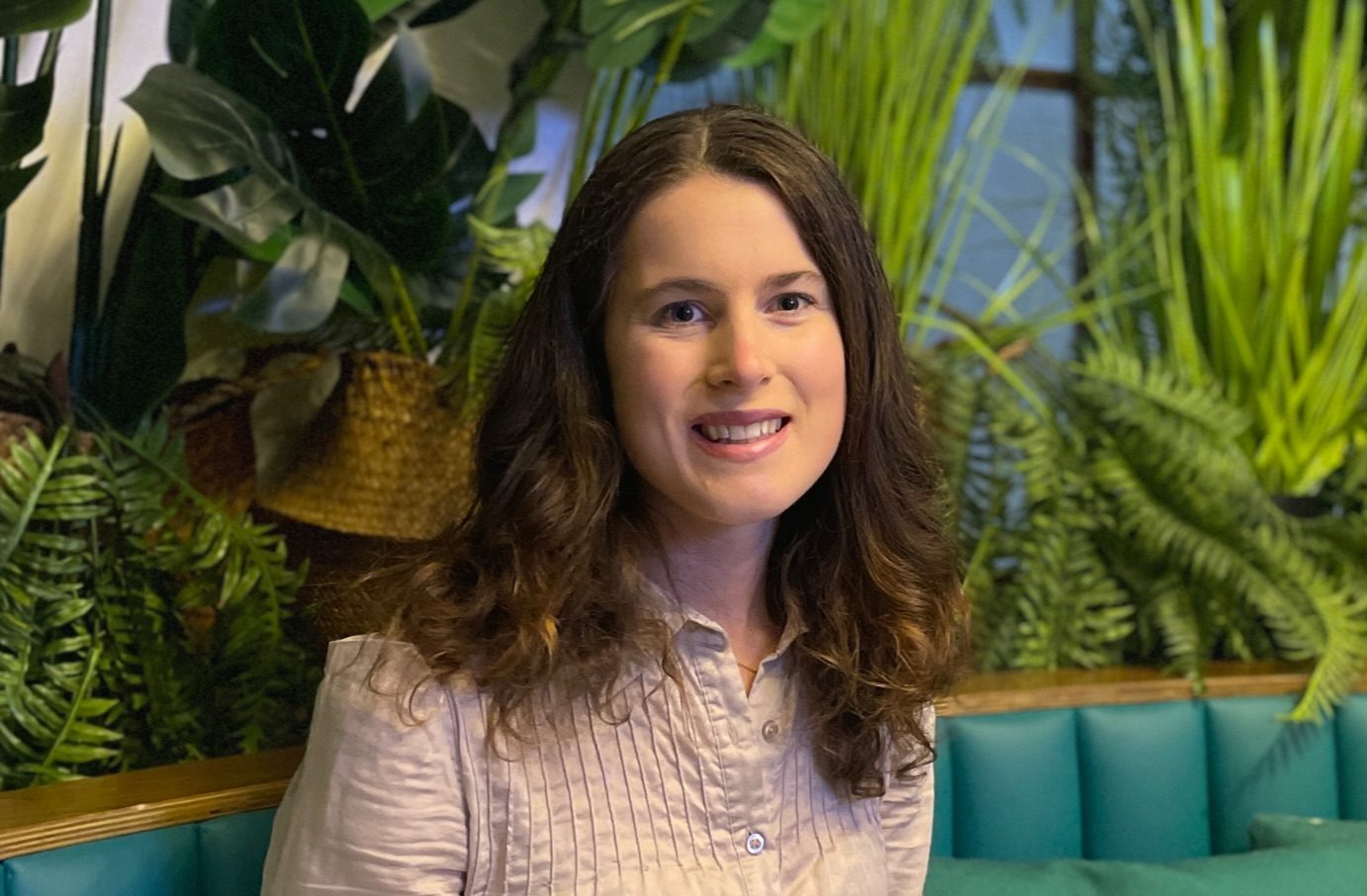
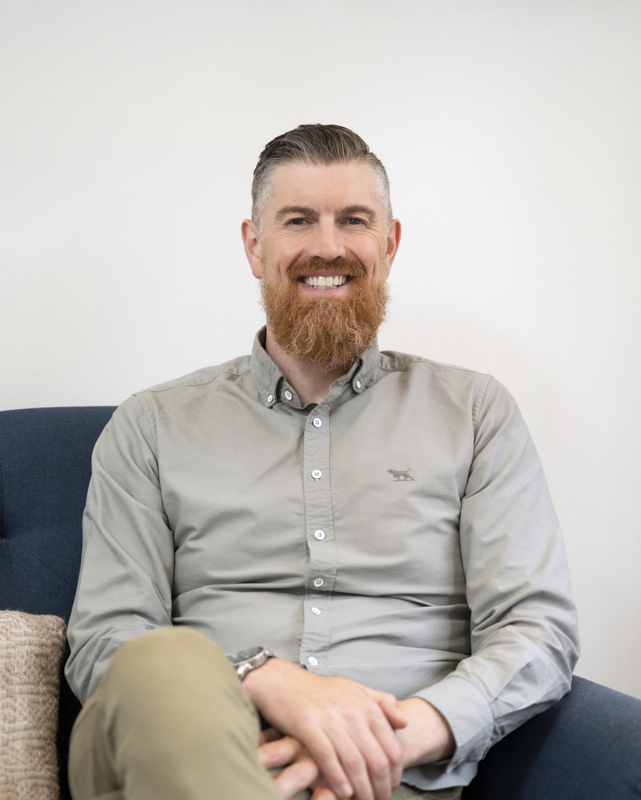
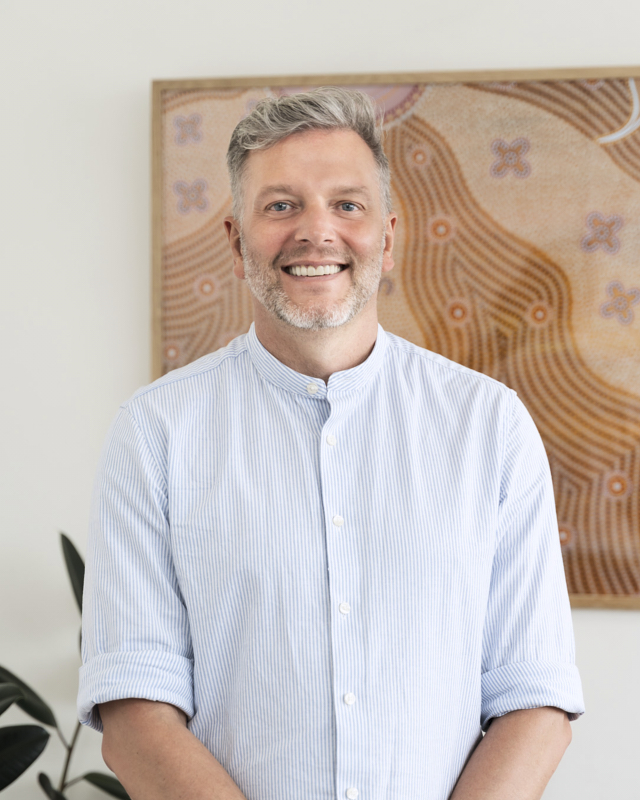
Get assessed by one of our experienced practitioners



ADHD/Autism Assessment
Assessment details

ADHD

Autism
Standard assessment fee
$1,900
(Cognitive assessment not included)
$2,100
(Cognitive assessment not included)
Autism and ADHD Screening: $700 (full payment required prior to the screening)
Online / Face-to-face
Both options available
Face-to-face
Assessment time
2 hours
3 to 4 hours
Report turnaround
2 weeks
2 weeks
GP referral required
Not required
Not required
Private Health Cover

NDIS Cover
NDIS Autism Assessment:
$3541.86
Autism & ADHD Assessment: $2,700 (Cognitive assessment not included)
ADHD or Autism + Cognitive assessment: from $3,300 to $3,600
If cost is a barrier, please talk to us. We have these conversations all the time, and it’s OK to ask. We can go through funding and payment options with you, including payment plans. Contact us or call 03 9478 1810.
Understanding ASD through a thorough assessment
Watch Dr. Judy Tang walk through what happens during a neuropsychological assessment and how it reveals the patterns affecting your attention and focus.

Not sure where to start?
Schedule a 15-minute phone call
Not sure what kind of help you need? Book a 15-minute phone call with our clinical neuropsychologist. We’ll listen to what’s been happening and help you work out your next step, whether that’s an assessment with us, another kind of support, or seeing someone else first, such as your GP or a neurologist.
This call isn’t an assessment, and it doesn’t give a diagnosis or treatment advice.
FAQs
Find answers to common questions about our assessment services.
How is ASD diagnosed?
Diagnosis comes through clinical observation, standardized testing, and detailed history. We measure how your brain processes information and manages social interaction. The assessment reveals patterns that have shaped your life.
Is ASD the same in everyone?
No. Autism presents differently across individuals and often changes throughout life. Some people mask their traits in certain settings, making diagnosis harder. Our assessment captures your unique profile, not a checklist.
What should I bring to my assessment?
Bring any previous medical records, school reports, or psychological evaluations that document your history. A list of current medications helps us understand the full picture. If you have a GP referral, please bring it, as it helps us understand your history. Medicare does not usually cover adult autism assessments.
Can adults get diagnosed with ASD?
Yes. ASD is often identified in adulthood, particularly in women whose symptoms may have been overlooked during childhood. Many adults seek assessment after recognizing patterns that affect their work, relationships, or daily functioning.
Can I have a combined ASD & ADHD assessment?
Yes, you can. Many individuals show traits of both Autism Spectrum Disorder (ASD) and Attention Deficit Hyperactivity Disorder (ADHD), and it’s common for the two to co-occur.
A combined assessment explores both areas in depth, helping to understand overlapping traits as well as the unique features of each. The process may involve additional assessment tools or slightly longer sessions to ensure an accurate and comprehensive understanding.
What if I have more questions?
Our team is here to help. Reach out anytime with concerns about the process, costs, or what assessment involves.
What makes ASD hard to spot?
Autism often hides in plain sight. Many people, especially women and high-achieving adults, develop coping strategies that mask their traits. What looks like shyness or perfectionism might be sensory sensitivity or social exhaustion. An assessment cuts through the camouflage.
What does ASD look like in daily life ?
Diagnosis emerges through clinical observation, standardized testing, and detailed history review. We measure how your brain processes information and manages social interaction. The assessment reveals patterns that have shaped your life.
Can children get diagnosed wtih ASD?
Diagnosis comes through clinical observation, standardized testing, and detailed history. We measure how your brain processes information and manages social interaction. The assessment reveals patterns that have shaped your life.
Will I receive a report, and how can I use it?
Yes, you will receive a detailed written report summarising the findings, including a diagnosis if applicable, as well as various supports and interventions recommended by our clinician. This report can be used to access educational support, workplace accommodations, NDIS funding, or simply to better understand yourself or your child.
- NDIS funding applications
- Centrelink applications
- Reasonable adjustments at school, university/TAFE and work
- Individual Education Plans
- Inclusive education funding
- Special provision applications for end of school exams
Still have questions?
Book your initial consult today and start the journey toward clarity, confidence, and support that fits you.